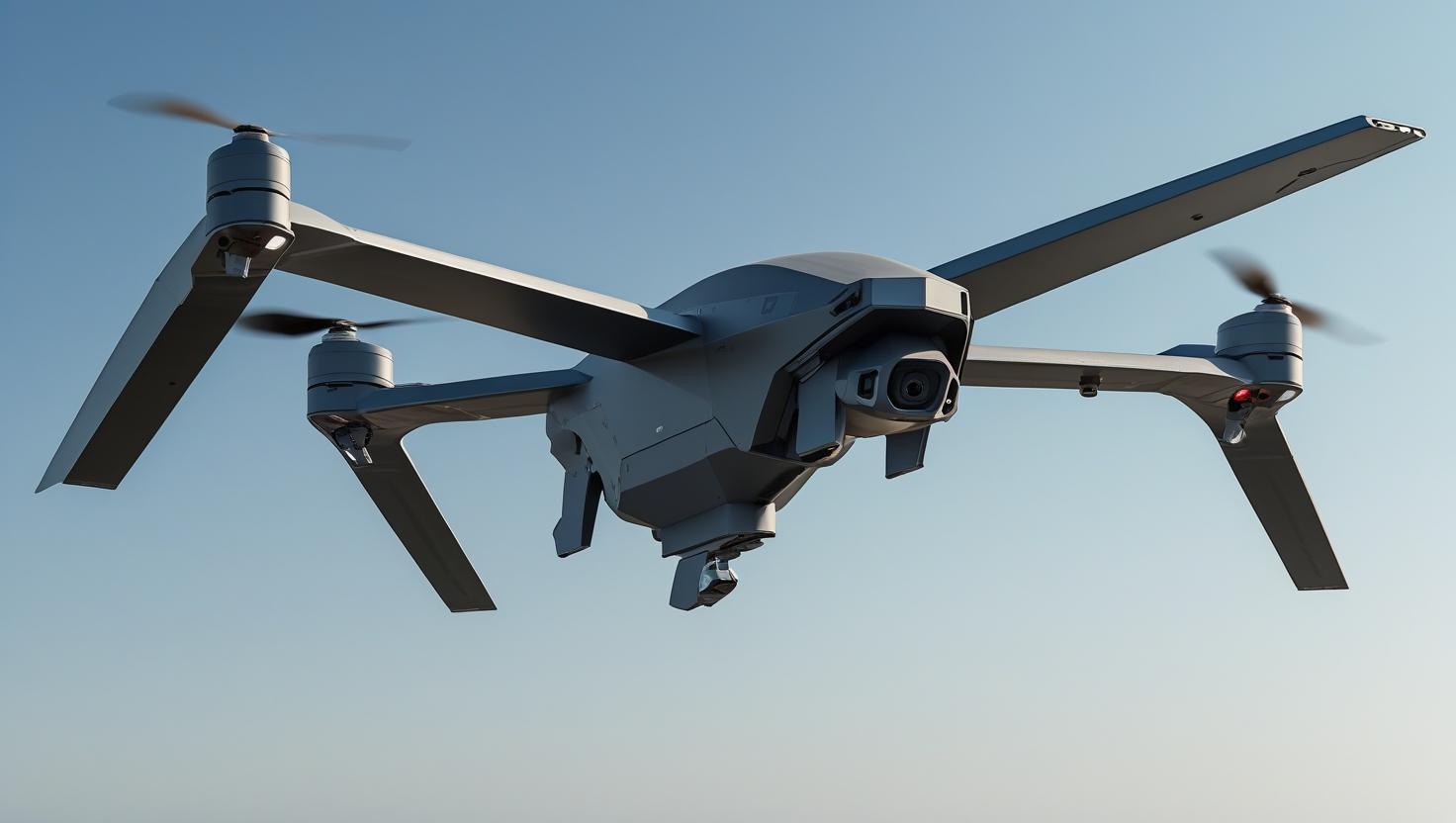
Skyeton has unveiled an upgraded version of its Raybird UAV, featuring a hydrogen-electric propulsion system that extends flight duration and enhances stealth capabilities. This modernization marks a departure from traditional internal combustion engines, offering improved efficiency, lower thermal output, and quieter operation.
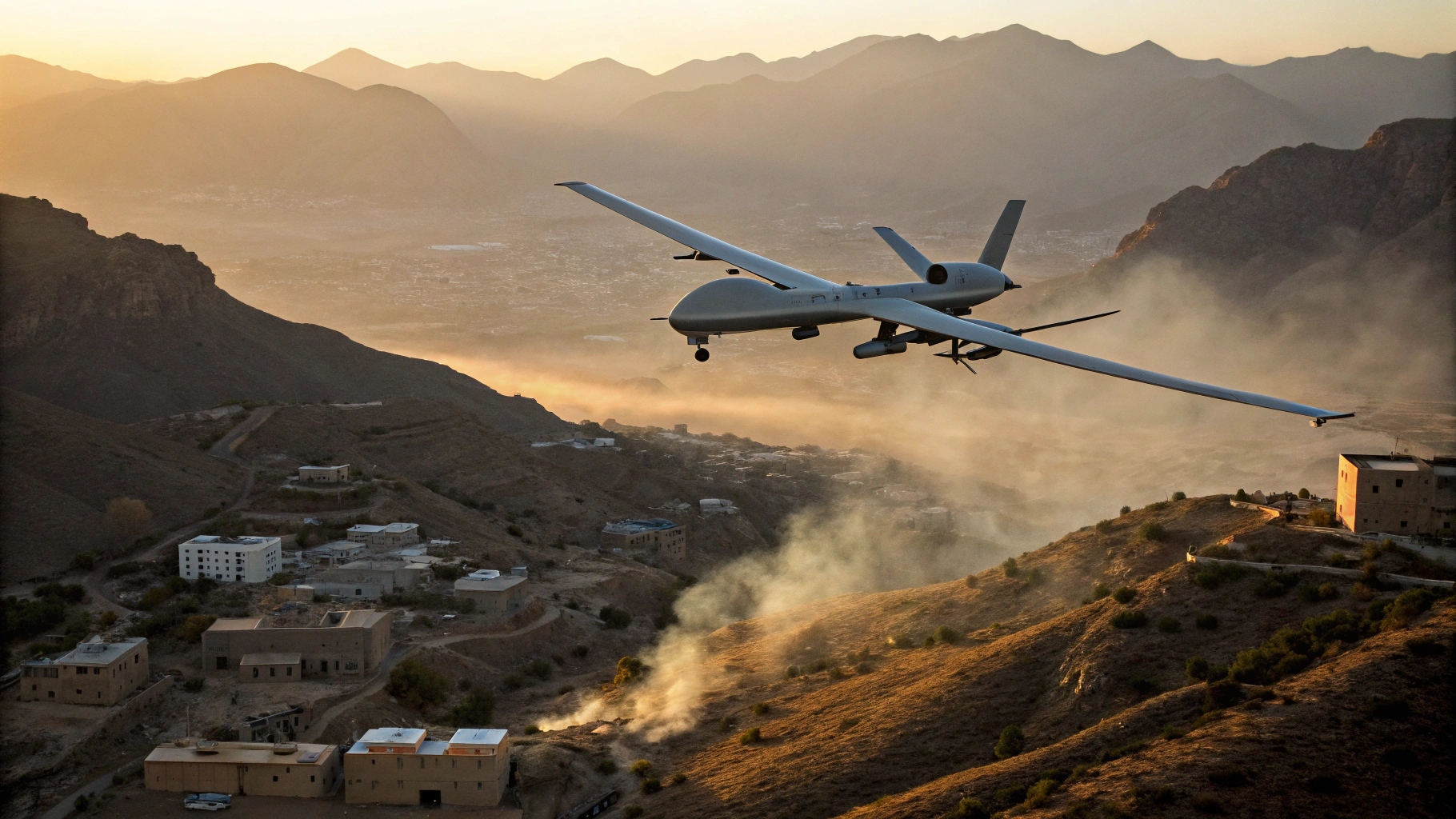
The new hydrogen-powered UAV can fly for roughly 12 hours, with development efforts aimed at pushing endurance to 20 hours, providing persistent coverage for long-duration reconnaissance, monitoring, and surveillance missions. Such extended endurance supports military, border security, and maritime operations where continuous aerial presence is critical.
The hydrogen-electric engine produces minimal heat and operates at high altitudes, reducing both infrared and acoustic detectability. These capabilities allow the Raybird UAV to perform covert observation and ISR operations in environments where remaining undetected is crucial for mission success.
Skyeton’s approach reflects broader trends in unmanned aerial systems, where energy-efficient, low-signature UAVs are increasingly favored for military and commercial applications. By combining hydrogen fuel cell technology with electric propulsion, the Raybird sets a benchmark for next-generation UAV endurance, operational flexibility, and stealth performance.